FAA AI Safety Assurance Roadmap
Roadmap for Artificial Intelligence Safety Assurance
Version I · July 2024 Source checked 2026-11-28
Scope, source and reading notes
Strategic roadmap for safety assurance of AI and use of AI for safety. It is not an advisory circular, accepted project means of compliance, or regulatory requirement.
Aerospace Consulting reference note: FAA strategy, guiding principles and research priorities for AI safety assurance.
The complete selected publication is available in reading text and as the original PDF. Reading text is extracted from the official PDF; page layout is simplified, and figures and tables should be checked in the original page view.
Search covers extracted text. Words contained only in graphics may not be searchable. The original publication is available below.
Official source recordOriginal PDF on this siteSource: FAA. Reproduced with source acknowledgment; source edition and status are shown above. SHA-256: b8683625358a9f624aaf1567c0b083ad22235d3b518684f499b1e9c588fc4908
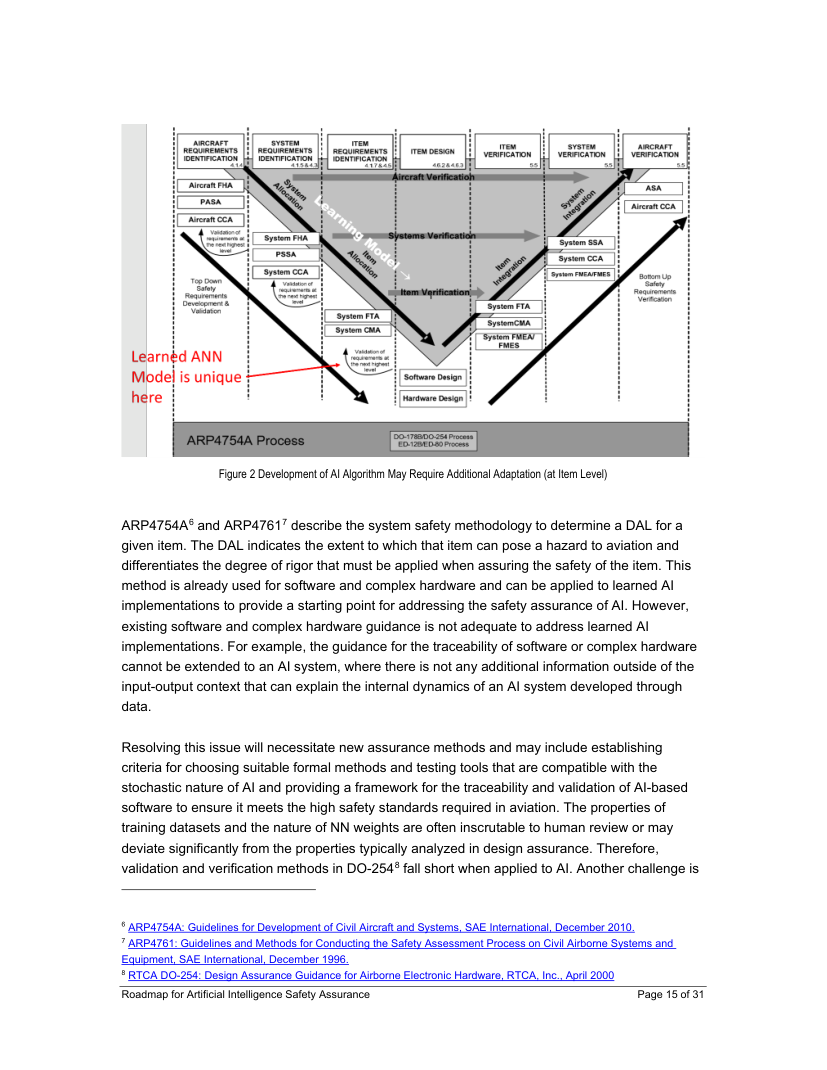
Figure 2 Development of AI Algorithm May Require Additional Adaptation (at Item Level)
ARP4754A6 and ARP47617 describe the system safety methodology to determine a DAL for a given item. The DAL indicates the extent to which that item can pose a hazard to aviation and differentiates the degree of rigor that must be applied when assuring the safety of the item. This method is already used for software and complex hardware and can be applied to learned AI implementations to provide a starting point for addressing the safety assurance of AI. However, existing software and complex hardware guidance is not adequate to address learned AI implementations. For example, the guidance for the traceability of software or complex hardware cannot be extended to an AI system, where there is not any additional information outside of the input-output context that can explain the internal dynamics of an AI system developed through data.
Resolving this issue will necessitate new assurance methods and may include establishing criteria for choosing suitable formal methods and testing tools that are compatible with the stochastic nature of AI and providing a framework for the traceability and validation of AI-based software to ensure it meets the high safety standards required in aviation. The properties of training datasets and the nature of NN weights are often inscrutable to human review or may deviate significantly from the properties typically analyzed in design assurance. Therefore, validation and verification methods in DO-2548 fall short when applied to AI. Another challenge is
6 ARP4754A: Guidelines for Development of Civil Aircraft and Systems, SAE International, December 2010.
7 ARP4761: Guidelines and Methods for Conducting the Safety Assessment Process on Civil Airborne Systems and Equipment, SAE International, December 1996.
8 RTCA DO-254: Design Assurance Guidance for Airborne Electronic Hardware, RTCA, Inc., April 2000
View figures, tables and original page layout