FAA AI Safety Assurance Roadmap
Roadmap for Artificial Intelligence Safety Assurance
Version I · July 2024 Source checked 2026-11-28
Scope, source and reading notes
Strategic roadmap for safety assurance of AI and use of AI for safety. It is not an advisory circular, accepted project means of compliance, or regulatory requirement.
Aerospace Consulting reference note: FAA strategy, guiding principles and research priorities for AI safety assurance.
The complete selected publication is available in reading text and as the original PDF. Reading text is extracted from the official PDF; page layout is simplified, and figures and tables should be checked in the original page view.
Search covers extracted text. Words contained only in graphics may not be searchable. The original publication is available below.
Official source recordOriginal PDF on this siteSource: FAA. Reproduced with source acknowledgment; source edition and status are shown above. SHA-256: b8683625358a9f624aaf1567c0b083ad22235d3b518684f499b1e9c588fc4908
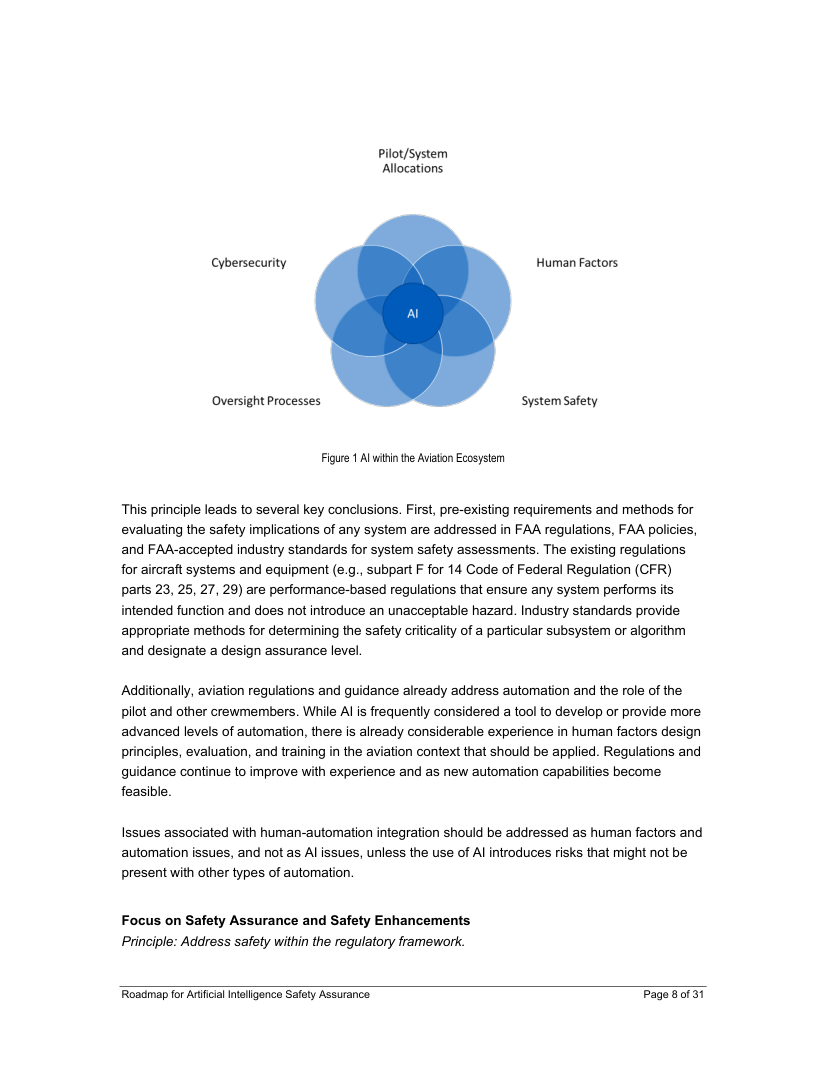
Figure 1 AI within the Aviation Ecosystem
This principle leads to several key conclusions. First, pre-existing requirements and methods for evaluating the safety implications of any system are addressed in FAA regulations, FAA policies, and FAA-accepted industry standards for system safety assessments. The existing regulations for aircraft systems and equipment (e.g., subpart F for 14 Code of Federal Regulation (CFR) parts 23, 25, 27, 29) are performance-based regulations that ensure any system performs its intended function and does not introduce an unacceptable hazard. Industry standards provide appropriate methods for determining the safety criticality of a particular subsystem or algorithm and designate a design assurance level.
Additionally, aviation regulations and guidance already address automation and the role of the pilot and other crewmembers. While AI is frequently considered a tool to develop or provide more advanced levels of automation, there is already considerable experience in human factors design principles, evaluation, and training in the aviation context that should be applied. Regulations and guidance continue to improve with experience and as new automation capabilities become feasible.
Issues associated with human-automation integration should be addressed as human factors and automation issues, and not as AI issues, unless the use of AI introduces risks that might not be present with other types of automation.
Focus on Safety Assurance and Safety Enhancements
Principle: Address safety within the regulatory framework.
View figures, tables and original page layout